The Digital Operational Resilience Act (DORA) represents a major shift in how European financial institutions must approach ICT risk management. With the deadline approaching in January 2025, organizations need to act now.
Key Compliance Requirements
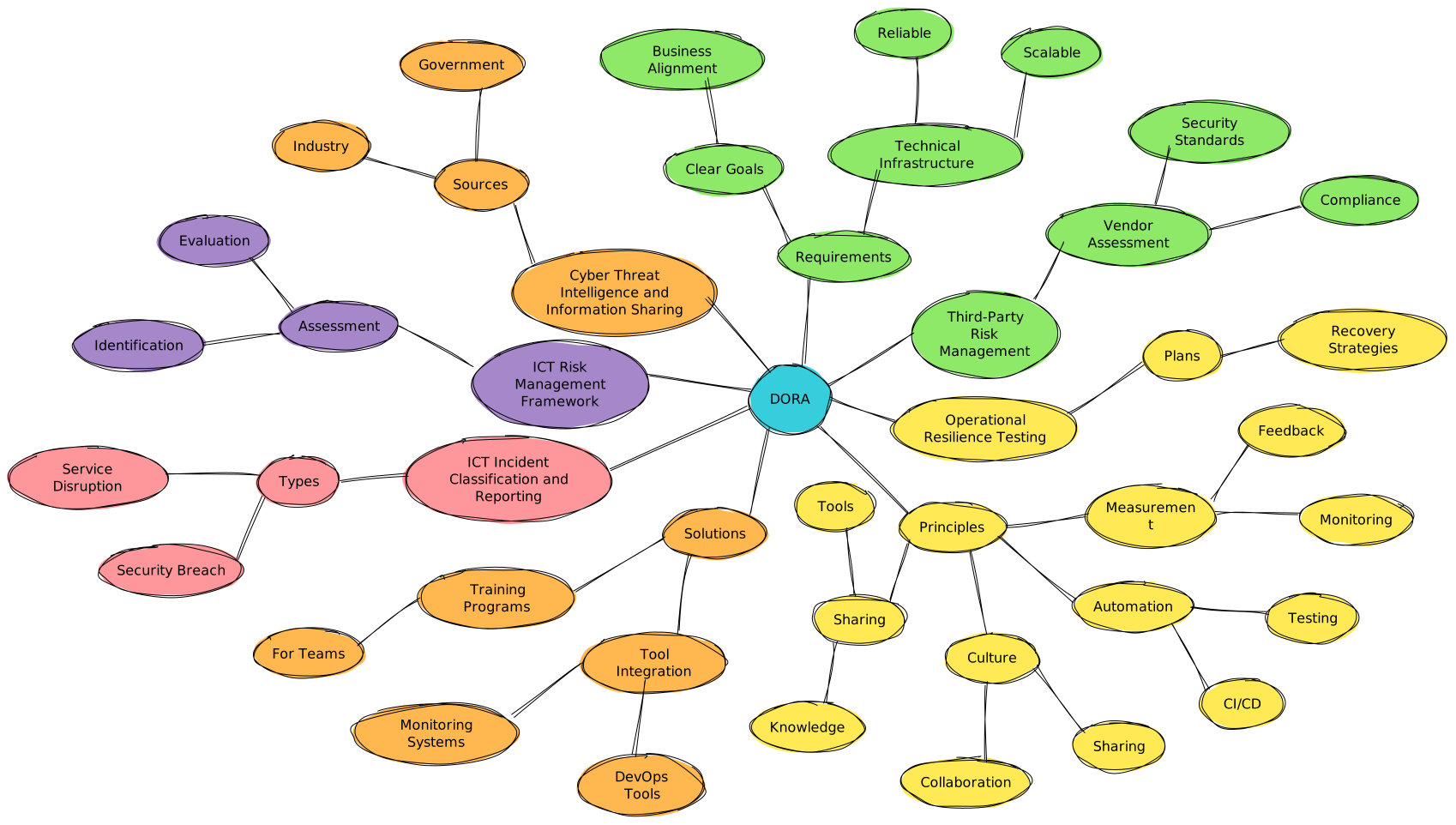
DORA introduces five key pillars that all financial entities must address:
- ICT Risk Management: Establish comprehensive frameworks for identifying, protecting, and managing ICT risks
- Incident Reporting: Implement systems to detect, manage, and report ICT-related incidents
- Digital Operational Resilience Testing: Conduct regular testing including advanced threat-led penetration testing
- Third-Party Risk Management: Monitor and manage risks from ICT service providers
- Information Sharing: Participate in threat intelligence sharing arrangements
Timeline to Compliance
Organizations should already be in the implementation phase. Key milestones include:
- Q4 2024: Complete gap analysis and remediation planning
- Q1 2025: Full compliance required
- Ongoing: Continuous monitoring and improvement
Penalties for Non-Compliance
Financial institutions failing to comply with DORA face significant penalties, including fines up to 2% of annual worldwide turnover for the most serious breaches.
Getting Started
If you haven't started your DORA compliance journey, prioritize these actions:
- Conduct a comprehensive gap analysis
- Assign dedicated compliance resources
- Engage with ICT service providers
- Implement monitoring and reporting systems
- Train staff on new requirements