DORA Certifications Bundle
399 € excl. VAT
Governance and ICT risk management, resilience testing, incident management, third-party risk and information sharing: what each pillar requires, the actions to take and the deliverables competent authorities expect to see.
Start with what DORA is and who it applies to, then use this page as the working reference for each pillar. Every section ends with the deliverables to hold and the toolkit that produces them.
The Digital Operational Resilience Act (DORA) is a pivotal regulation by the European Commission aimed at bolstering the digital operational resilience of the financial sector. Its main objectives include improving ICT risk management, enhancing cybersecurity measures, establishing robust governance, and promoting effective incident reporting among financial entities operating within the EU.
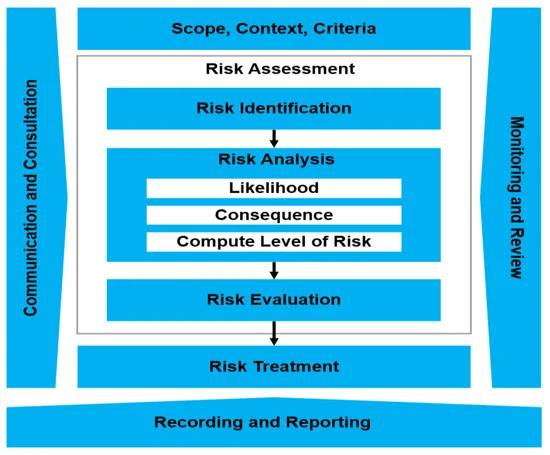
Under the Digital Operational Resilience Act (DORA), financial entities across Europe are mandated to adopt robust ICT Risk Management frameworks. This regulatory measure ensures that institutions are equipped to manage and mitigate risks, safeguarding their digital infrastructure. DORA provides a comprehensive framework for digital operational resilience, covering everything from cyber threats to operational disruptions. While DORA sets the standard, organisations can further strengthen their ICT strategies by adopting established international frameworks such as ISO/IEC 27001, NIST Cybersecurity Framework, and COBIT.
Adopting these frameworks helps institutions in assessing and enhancing their resilience against a wide array of threats. Effective ICT Risk Management is not only about compliance with DORA regulations but also about building a robust digital infrastructure that can adapt to and recover from disruptions, ensuring continuous service delivery across Europe.
Adhering to these frameworks can significantly enhance an institution's resilience against ICT-related risks, aligning with DORA's objectives to strengthen digital operational resilience across the EU's financial sector. By implementing a comprehensive ICT Risk Management strategy, financial institutions can proactively address vulnerabilities and ensure seamless operations even during unforeseen disruptions.
Mapping of IT Assets:
Create a detailed inventory of systems, applications, databases, and digital infrastructure, covering both internally hosted assets and cloud services. This mapping process ensures that all critical components are identified and accounted for, a fundamental step under DORA's requirements.
Identification of Critical Assets:
Determine the essential business processes and IT systems that support them. This may include transaction processing systems, customer databases, CRM applications, and other key systems integral to daily operations. Identifying these assets is crucial for prioritising security measures in line with DORA regulation.
Identify Risks:
Systematically identify and document all potential risks that could impact ICT systems and operations, ranging from cyber attacks to natural disasters. Effective risk identification is the cornerstone of a resilient ICT framework under DORA.
Risk Analysis:
Assess potential threats such as cyber attacks, technical failures, human errors, and natural disasters. Analyse the likelihood and impact of each risk scenario to prioritise mitigation efforts effectively. This step ensures compliance with the DORA regulatory technical standards.
Business Impact Assessment (BIA):
For each critical asset, evaluate the potential impact of a disruption on banking operations. This aids in prioritising resilience efforts based on the significance of each asset to daily operations, aligning with DORA's focus on continuous operational resilience.
Evaluate and Prioritise Risks:
Effective risk evaluation and prioritisation are fundamental to ICT Risk Management under DORA. Institutions must conduct thorough assessments to identify potential vulnerabilities across their IT infrastructure. Prioritise risks based on their severity and the urgency of mitigation actions.
Defining the Level of Risk Appetite:
Collaborate with key stakeholders to establish the acceptable level of risk for each business process and IT system. This will guide decisions regarding investments in security and resilience, ensuring compliance with DORA regulatory standards.
Implement Mitigation Strategies:
Develop and implement appropriate strategies to mitigate the prioritised risks, including preventive measures, contingency plans, and robust recovery processes. Effective implementation of these strategies is vital for adhering to DORA's guidelines.
Monitor and Review:
Continuously monitor the risk environment and the effectiveness of implemented mitigation strategies, adjusting as necessary to address new or evolving risks. Regular reviews ensure ongoing compliance with DORA standards and enhance overall operational resilience.
Enhance ICT Resilience:
Strengthen the resilience of ICT systems against disruptions through robust design, redundancy, and comprehensive recovery planning. This aligns with DORA's goal of ensuring that digital operational resilience is maintained across all financial institutions.
Compliance with Regulations:
Ensure compliance with all relevant legal, regulatory, and contractual obligations related to ICT risk management. Adhering to DORA regulatory technical standards ensures that organisations are prepared to handle operational disruptions effectively.
Stakeholder Communication:
Maintain open and effective communication with all stakeholders regarding ICT risks and the measures taken to manage them. Transparent communication is key to ensuring trust and collaboration across departments, a principle supported by DORA.
In today's interconnected world, cybersecurity threats and system disruptions pose significant risks not only to individual organisations but also to the stability of financial systems globally. Recognising this, the Digital Operational Resilience Act (DORA) mandates comprehensive resilience testing to ensure that financial entities can withstand and recover from various types of disruptions.
Effective resilience testing allows organisations to proactively identify, address, and mitigate vulnerabilities, ensuring they can detect, prevent, and respond to potential cyber incidents. By exchanging insights, threat intelligence, and best practices, financial entities can enhance their collective defenses against cyber threats, ensuring robust operational continuity across the industry.
This section will explore key aspects of operational resilience testing, including the importance of structured planning, the use of frameworks like TIBER-EU for guiding tests, and collaboration between internal teams and external partners.
Managing operational resilience under DORA regulations can be complex. ResiPlan is a comprehensive SaaS platform designed specifically to help financial institutions streamline their resilience testing, incident management, and compliance reporting.
The Threat Intelligence-Based Ethical Red Teaming (TIBER-EU) Framework is a European framework developed by the European Central Bank (ECB). It provides guidelines for conducting simulated cyberattacks against financial entities to assess their readiness to detect, respond, and recover from real-world attacks.
The TIBER-EU Framework helps financial institutions understand their vulnerabilities from the perspective of an attacker, enabling them to strengthen their defenses based on realistic scenarios.
Identify and prioritise systems and processes for resilience testing based on their criticality to business operations: Effective planning starts with recognizing which systems and processes are most vital to your daily operations.
Develop testing scenarios that reflect potential disruptions, including cyber attacks, system failures, and disaster response: Scenarios should simulate real-world threats. Utilise frameworks such as NIST Cybersecurity Framework and ISO/IEC 27001 for guidance.
Plan tests that challenge the organisation's ability to respond and recover from disruptions while minimising impact on operations: Tests should assess the organisation's capacity to recover quickly, including testing incident response plans, backup systems, and communication protocols.
This document outlines a structured approach to resilience testing for financial entities, aiming to assess and enhance their ability to withstand and recover from cyber threats, technical failures, and other disruptions.
Build this with the free TLPT readiness checker the Resilience Testing & TLPT assessment toolkit
Carry out planned tests, simulating various disruption scenarios: Execute scenarios to stress-test systems. Use tools such as Metasploit for penetration testing and Cyber Range platforms for realistic simulations.
Engage both internal teams and external partners: Collaboration is key. Engaging with external security experts brings new insights while internal teams ensure organizational nuances are covered.
Document test results, including any identified weaknesses: Accurate documentation is crucial for regulatory compliance and improving future resilience strategies.
Structure your reporting with the TLPT reference guide the Resilience Testing assessment toolkit
Analyse test results to identify root causes of failures: Post-test analysis helps pinpoint specific vulnerabilities and understand how incidents were handled.
Update and enhance resilience plans based on findings: Use insights to refine operational plans, improving responses to future threats.
Implement changes and conduct follow-up tests: Regular follow-up testing ensures modifications are effective and systems remain resilient.
Adopt advanced tools like Metasploit and Cyber Range: State-of-the-art tools enhance the realism of testing scenarios.
Post-test analyses to identify and correct vulnerabilities: Thorough analyses should follow every testing phase.
Start from your business impact analysis the Operational Resilience assessment toolkit
Revised strategies across cybersecurity incident response, data breach management, system failure recovery, and physical security breaches, ensuring robust response capabilities in alignment with DORA.
Ready-made procedures in the DORA Crisis Management Pack
DORA mandates a highly structured approach to ICT resilience. Financial entities must demonstrate their ability to analyse critical ICT services, define impact tolerances, conduct Threat-Led Penetration Testing (TLPT), map all dependencies, evaluate third-party critical ICT providers, and validate continuity across critical chains.
Analyse Critical ICT Services: Identify and map all ICT services essential to business-critical operations including core banking systems, payment platforms, trading infrastructure, and custody services.
Define Impact Tolerances: Establish quantifiable thresholds for each critical service, including specific RTO and RPO targets aligned with regulatory expectations.
Conduct TLPT: Implement penetration tests following the TIBER-EU framework, simulating realistic attacks based on TTPs used by threat actors targeting the financial sector.
Complete Dependency Mapping: Document all internal and external dependencies, identifying Single Points of Failure and cascade failure scenarios.
Evaluate Third-Party Critical ICT Providers: Conduct comprehensive due diligence per DORA Articles 28-30.
Validate Critical Chain Continuity: Ensure operational continuity across all critical processing chains and test failover mechanisms.
Build and validate yours with the free Register of Information builder the guide to critical or important functions
Scope it with the TLPT & TIBER-EU guide the free readiness checker
Apply it with the third-party risk guide the free provider risk scorer
We help financial entities scope their resilience testing programme and TLPT, and assess their ICT third-party risk.
Schedule a Free ConsultationDORA requires financial entities to model, simulate, and test advanced cyber attack scenarios specific to the banking sector. These scenarios must be executable, measurable, and demonstrate detection, response, and recovery capabilities.
Ransomware with Identity Provider Compromise: Simulation of ransomware combined with IdP compromise, testing the ability to maintain operations when central authentication systems are compromised.
Core Banking and Payment System Encryption: Simulation of encryption attacks targeting core banking and payment infrastructure. Evaluation of failover procedures and restoration timelines.
Log Compromise (Anti-Forensic Attack): Scenario where attackers delete or alter security logs, testing detection capabilities without logs and forensic readiness.
Transactional System Desynchronization: Simulation causing desynchronization between front-office and back-office systems, evaluating emergency reconciliation procedures.
SWIFT Cluster Failure: Scenario of major failure affecting SWIFT messaging systems, testing failover and alternative payment routing.
Database Corruption: Simulation of data corruption affecting critical databases, evaluating corruption detection and point-in-time restoration.
Simultaneous Cloud and On-Premise Failure: Scenario of concurrent failure, evaluating multi-cloud strategies and true disaster recovery capabilities.
Our Red Team specialists conduct realistic banking-specific attack simulations following TIBER-EU methodology.
Request a Red Team AssessmentEffective ICT resilience assessment requires deep understanding of banking technology architecture. Security teams must analyse core banking applications, high-availability systems, network segmentation, and identity management infrastructure.
Core Banking Applications: Analysis of central banking systems managing accounts, credits, deposits, and back-office operations. Evaluation of high-availability architecture and failover mechanisms.
Transaction Middleware (ESB, MQ, API): Analysis of integration layers managing inter-application flows, identifying congestion points and queue management mechanisms.
High Availability / Fault Tolerance: Review of clustering architectures, automatic failover mechanisms, and switchover procedures.
Segmented Networks (SWIFT, Trading Desk): Evaluation of network isolation for critical environments with access controls and intrusion detection.
Multi-Layer IAM (AD, MFA, PAM): Review of identity management architecture identifying critical dependencies and compromise scenarios.
Our infrastructure specialists analyse banking architectures to identify vulnerabilities and improvement opportunities.
Request Architecture ReviewTechnical playbooks provide detailed procedures for detecting, responding to, and recovering from security incidents specific to the banking context.
Playbook: Stolen Credentials Attack: Complete procedure for detecting and responding to credential compromise, including authentication log analysis and remediation.
Playbook: Active Directory Cluster Takeover: Response procedure covering domain controller isolation, restoration from verified backup, and trust reconstruction.
Playbook: VM Backup Corruption + Restore Testing: Procedure for validating backup integrity and emergency restoration including ransomware scenarios.
Playbook: Primary Datacenter Loss: Failover procedure to recovery site in case of complete primary site loss.
Playbook: Major SOC Incident Affecting Trading: Specific procedure for incidents impacting market activities with trading desk coordination.
Our security operations experts develop tailored playbooks for your banking environment.
Request Playbook DevelopmentEffective implementation requires specific technical competencies. Banks expect teams capable of modeling and testing attack scenarios with demonstrable execution evidence and recovery time proofs.
Cyber Kill-Chain and MITRE ATT&CK Mastery: Operational understanding of adversary TTPs with ability to design realistic test scenarios.
Banking Infrastructure Expertise: Deep knowledge of VMware, enterprise SAN storage, Kubernetes, SIEM platforms, and EDR/XDR solutions.
Architectural Resilience Patterns: Expertise in stretch clusters, active-active configurations, immutable backups, and Zero Trust architecture.
Cloud Banking Constraints: Knowledge of compliant cloud environments: Azure Landing Zones, AWS Financial Services, GCP compliant configurations.
Map roles to training with the DORA certification tracks the Academy course catalogue
Customised competency development programmes including hands-on labs and certification preparation.
Explore Training ProgrammesAs digital technologies become integral to operations, robust ICT Incident Management and Cyber Threat Reporting mechanisms are critical. These processes are essential for detecting, responding to, and mitigating the impacts of cybersecurity incidents.
The Digital Operational Resilience Act (DORA) mandates that financial entities implement comprehensive incident management protocols. DORA emphasizes not only mitigating incidents but also learning from them to prevent future occurrences.
Develop an ICT incident response plan: A detailed plan outlining step-by-step procedures for detecting and addressing various types of incidents.
Implement detection systems: Utilise monitoring tools such as Splunk and IBM QRadar for real-time incident detection.
Train the incident response team: Regular training and simulation exercises using tools like Cynet for cybersecurity simulation.
Build this with the incident reporting guide the DORA Crisis Management Pack
Assess your setup with the free information-sharing checker
Draft your 4h, 72h and final reports with the free incident report generator the major-incident classifier
Templates and escalation paths in the DORA Crisis Management Pack
Set up internal reporting systems: Develop a clear process where employees can report potential threats to a dedicated incident response team.
Establish communication channels with financial authorities: Share insights and threat information with bodies like the EBA and industry partners.
Create a threat database: Maintain a central repository using frameworks such as MITRE ATT&CK to understand adversary tactics.
Align them with the Article 19 reporting timelines the free classification tool
Rehearse them with the crisis exercise & after-action programme
Organizations increasingly rely on third-party ICT service providers to support critical operations. While these partnerships offer benefits, they introduce risks that must be carefully managed. ICT Service Provider Risk Management identifies, assesses, mitigates, and monitors risks associated with outsourcing ICT services, ensuring compliance with the Digital Operational Resilience Act (DORA).
Create a comprehensive list of all ICT service providers: Map all external services interacting with core systems.
Assess the criticality of each service provider: Classify based on impact to core operations.
Establish evaluation criteria: Develop standardised assessment methodology for security posture, compliance, and disaster recovery.
Score your providers with the free third-party risk scorer the ICT TPRM assessment toolkit
Prepare for them with the DORA audit guide
Derive them from the risk assessment toolkits
Article 30 clauses and due diligence in the contractual requirements guide the free vendor due diligence questionnaire
Conduct risk assessments for each provider: Evaluate security, compliance, and operational continuity standards.
Identify dependencies and single points of failure: Map dependencies between internal systems and external services.
Evaluate providers' own risk management: Analyse disaster recovery and business continuity plans.
Produce it with the free provider risk scorer the ICT TPRM assessment toolkit
Identify them with the business impact analysis method the critical or important functions guide
Develop and implement risk management controls: Technical and administrative controls including encryption, access controls, and monitoring.
Establish SLAs enforcing resilience standards: Include provisions for uptime, incident response, data protection, and compliance penalties.
Set up continuous monitoring: Tools and processes to monitor service provider performance and emerging risks.
Regular due diligence and audits: Verify compliance with security standards and contractual obligations.
Measure your current coverage with the free 5-pillar gap analysis the risk assessment toolkits
Required terms and register fields in the third-party risk guide the Register of Information reference
Managing risks associated with third-party ICT service providers is critical for digital operational resilience under DORA. Leveraging standards such as ISO 31000 and NIST SP 800-37 will aid in developing a resilient approach to third-party risk management.
Assessment Toolkit · Available now Third-Party Risk Management assessment workbook (Excel) Register of Information template, Article 30 contract checklist, concentration & CTPP analysis. From €39, instant delivery. Get the toolkit →Cybersecurity information sharing has emerged as a pivotal component for enhancing the collective resilience of the financial sector. DORA recognizes the importance of establishing robust channels for sharing cybersecurity-related information among financial entities, regulatory bodies, and other stakeholders.
Join the MISP community: Leverage collective knowledge and data on cybersecurity threats through the Malware Information Sharing Platform.
Integrate MISP within your infrastructure: Implement MISP as part of your cybersecurity strategy for seamless threat intelligence exchange.
Collaborate with financial sector communities: Engage with specialized communities through MISP Financial Sector.
Build this with the free Article 45 readiness checker the Information Sharing Playbook
Check your prerequisites with the free information-sharing checker
Share indicators of compromise (IoCs): Proactively sharing helps build collective defence.
Develop internal threat intelligence procedures: Establish structured protocols for handling, validating, and sharing threat intelligence.
Encourage collaboration culture: Promote regular meetings and information-sharing sessions within the sector.
Formats and governance in the Information Sharing Playbook
Use shared intelligence to enhance defenses: Leveraging shared information allows organisations to quickly adapt security strategies.
Contribute to sector-wide best practices: Sharing and adopting best practices strengthens overall security posture.
Regularly review resilience strategies: Ensure strategies reflect the evolving threat landscape.
Collaborate with regulatory authorities: Working closely with regulatory bodies enhances compliance.
Active participation in ISACs: Engagement in Information Sharing and Analysis Centers for latest developments.
Benchmark your posture with the free 5-pillar gap analysis
Compare against the full DORA compliance checklist
We have created a GPT specialized on the DORA regulation framework.
Workbooks, playbooks and certifications built for EU financial entities. Add several to your cart: volume discounts apply automatically.
Take our free 5-minute assessment and get an instant DORA compliance score with personalised recommendations.